Self-Forgiveness
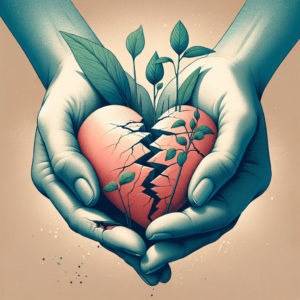
Self-forgiveness isn't about letting anyone off the hook. It's about releasing what you've been carrying, so it stops running your life.
Self-forgiveness as self-empowerment
Saying "I forgive myself" is more than words. It's an honest admission: the way I've related to myself and my thoughts has been, in part, my own doing, and I choose to stop. Instead of staying in passive acceptance, you commit to actively supporting yourself.
The phrase "I forgive myself for having accepted and allowed myself to..." becomes a key. Finishing that sentence shows you how you've shaped your inner world, and where you can change it.
Why it matters after abuse
Survivors often carry enormous guilt and shame: for staying, for not seeing it sooner, for how they reacted. Some of that shame was handed to you by the person who hurt you. Self-forgiveness helps you put it down.
Important: forgiving yourself for what you accepted is never the same as blaming yourself for what was done to you. You weren't responsible for their behaviour. You are responsible for your healing.
How to practise
- Write about one situation that still weighs on you.
- Notice the thoughts and feelings you accepted about yourself in it.
- Write: "I forgive myself for having accepted and allowed myself to believe that..." and finish the sentence honestly.
- Then write what you'll do instead next time: "When I notice this, I will..."
- Live that change, one day at a time.
This practice comes from the Desteni I Process, where you can learn it in depth.
Shadow work: start here
"I forgive myself for having accepted and allowed myself to believe that I deserved..." Write it, finish it, and read it back out loud.